Confident, inclusive facilitation that keeps group sessions purposeful and on track

Facilitation Skills....

How does this course help your business?

Facilitation Skills helps your organisation make meetings, training, creative team sessions, focus groups, action learning and project working purposeful and productive. When sessions drift off track, messages can be lost, expectations become unclear and quieter voices may go unheard. This course gives people practical ways to prepare, communicate and respond to different needs, helping them create sessions that are inclusive, engaging and focused. Learners consider what a group needs to achieve, how the process will support that outcome and how different people can contribute. They explore how to involve attendees, manage challenging participants or situations, and remain flexible without losing sight of the session’s purpose.

By developing greater confidence and self-awareness, facilitators can make better use of group time, encourage discussion and bring activity to a clear conclusion. The result is a more consistent approach across the organisation, supporting clearer communication, stronger participation and group working that has greater impact.

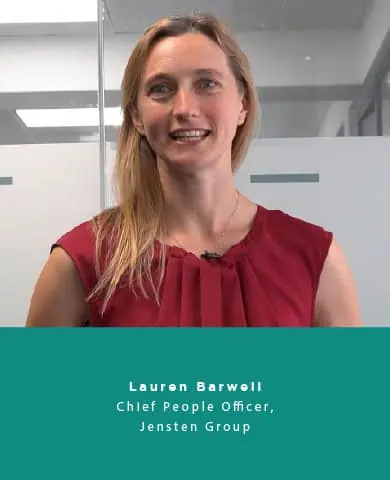
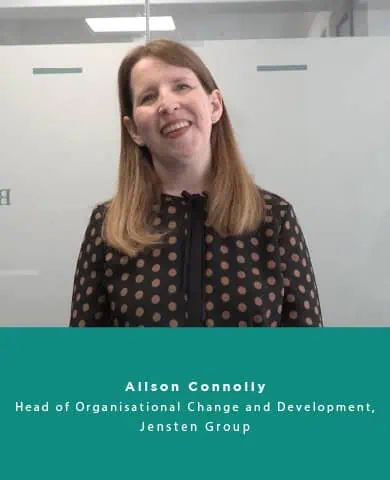
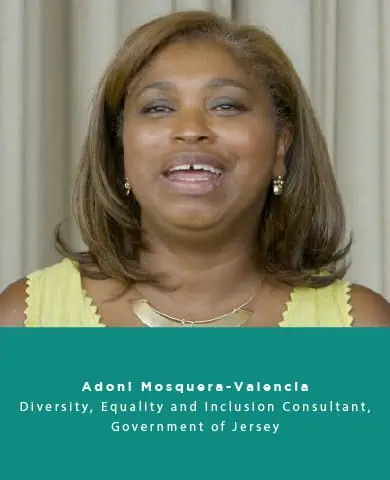
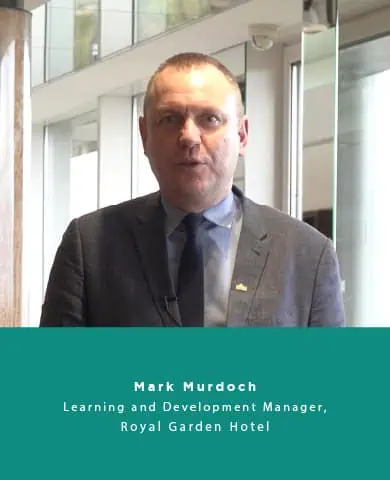
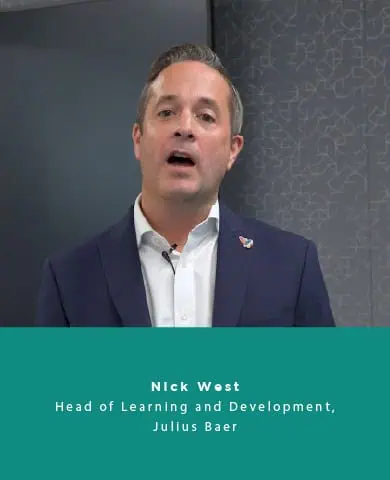
Watch our Facilitation Skills Video

WHY THIS COURSE?

Give your managers the Facilitation Skills to engage every participant and keep sessions on track

Managers and leaders often need to chair meetings, deliver training, supervise project groups or guide other team-based activity alongside their day-to-day responsibilities. Subject expertise alone does not always equip someone to manage the dynamics of a group. Sessions can lose focus, information may be difficult to process, dominant personalities can take over and valuable contributions may be missed. Facilitation Skills gives learners a practical framework for planning and leading sessions with clarity while adapting to the people and situation in front of them. The course explores the facilitator’s responsibility for purpose, process and people, helping learners think beyond the content they want to cover.

They consider communication preferences, adult learning strategies, audience engagement and ways to keep activity organised without becoming inflexible. The course also helps learners recognise the verbal and non-verbal behaviours that influence confidence, clarity and inclusion. With practical techniques, observation, reflection and focused skills practice, learners can build confidence and identify clear areas for their continued development as facilitators.

What does it cover?

Develop the Facilitation Skills to engage every voice and lead with confidence

Facilitation Skills explores how to plan and lead effective meetings, training and group-working sessions. Learners consider how to define a clear purpose, work back from the desired outcome and create a structure that makes good use of the available time. They look at the audience, environment, resources and likely risks before deciding how people will participate. The course examines how to tailor facilitation to different communication and learning needs, using clear instructions, questions, listening, processing time and varied ways to contribute. Learners develop practical strategies for engaging an audience, delivering key messages and keeping a session organised and on track.

With support from our actors, we’ll also explore when and how to intervene if discussion becomes unproductive, dominant voices take over, disagreement emerges or attention moves away from the purpose. Throughout Facilitation Skills, learners reflect on their own style, recognise existing strengths and identify areas they would like to develop further.

How do we do it?

Experience Facilitation Skills in action through drama, practice and feedback

Facilitation Skills is delivered as a practical and interactive learning experience, either face to face in the training room or live online through our Virtual Classroom. Learners work with recognisable workplace situations and consider what effective facilitation looks and feels like for the people taking part. Discussion, structured activities, reflection and rehearsal help them connect practical techniques to sessions they already lead. They explore preparation, clear openings and instructions, purposeful questioning, listening and ways to support different participation needs. They also examine how a facilitator can use pace, pause, tone, body language and positioning to create clarity, confidence and inclusion. Short facilitation practice gives learners an opportunity to apply their thinking to a workplace scenario and receive focused feedback.

They consider what helped the group participate, what maintained focus and what they could adjust next time. A digital workbook supports planning, reflection and individual action, providing a resource learners can use when preparing for future meetings, training or collaborative sessions.

HOW DO WE DELIVER IT?

Learning Outcomes.

Facilitation Skills equips learners to communicate confidently and effectively with workplace groups, combining clear structure with the flexibility to respond to different people and situations.

By the end of the course, learners will be able to ….

  • explain how to tailor their facilitation to different learning and communication needs and different scenarios.
  • identify effective techniques to use when both preparing and facilitating to ensure their audience are engaged and the session stays on track.
  • demonstrate the use of effective verbal and non-verbal communication skills to ensure the session has impact.
  • develop an improved self-awareness of their facilitation skills and how they can develop further.
ted Learning outcomes
why is it important?

Why is this course important?

Group sessions are where organisations share information, solve problems, make decisions and develop people. Their value depends not only on the subject being discussed, but on how confidently and inclusively the session is facilitated. When expectations are unclear or a group is poorly managed, time is wasted, participation becomes uneven and the intended outcome can be lost. A capable facilitator creates the conditions in which people understand why they are there, know how they can contribute and remain focused on what the group needs to achieve.

Facilitation Skills helps organisations develop people who can plan with greater intention and respond constructively when a group does not behave as expected. Learners become more aware of different communication and learning needs, understand how their own behaviour affects a group, and gain practical techniques for keeping sessions purposeful. They also reflect on their facilitation style under pressure and identify specific behaviours to practise. This supports employee development while strengthening meetings, training and collaborative work across the business. Better-facilitated sessions can make contribution more inclusive, actions clearer and group time more useful, while giving managers and leaders a transferable workplace skill.

Drama-based corporate training from ted Learning

Very helpful session, I feel much more confident now about running training for my team

Drama-based corporate training
Matt
tif Group

HOW DO WE DELIVER IT?

Face to face delivery of ted Learning Courses

FACE TO FACE

IN THE TRAINING ROOM

Behaviour change programs in diversity, inclusion, customer service, performance & ethics.

LIVE ONLINE

VIA OUR VIRTUAL
CLASSROOM

COMMONLY ASKED QUESTIONS
ABOUT Facilitation Skills

The course is particularly useful for managers and leaders because they’re often responsible for meetings, project groups, team sessions or workplace training. However, Facilitation Skills can support anyone who needs to guide a group, share information clearly or keep a collaborative session focused, inclusive and productive.

It is relevant whether facilitation is a formal responsibility or something a person does alongside their subject expertise, and the techniques can be applied to both regular team activity and occasional workshops or briefings.

Facilitation Skills is relevant to meetings, creative team sessions, focus group research, action learning, project working groups and training. It can also support people briefing a change, gathering ideas, guiding a decision or facilitating a discussion where opinions differ. The course focuses on the core skills that connect these settings: defining the purpose, preparing an appropriate process, communicating clearly, involving the audience and keeping activity organised.

Learners consider how these principles can be adapted to the desired outcome, the people involved and the practical context rather than relying on one fixed facilitation style.

The course explores sessions drifting away from their purpose, unclear expectations, information that is difficult to process and uneven contribution across a group. Learners consider what to intervene on, when to act and why.

They explore how to respond when dominant personalities take over, quieter voices are not heard, side conversations develop or disagreement emerges. The focus is on protecting productive discussion while maintaining time boundaries, clarity and inclusion. Practical techniques include summarising, refocusing, reframing and parking an issue so the group can move forward without losing useful contributions or sight of the intended outcome.

No. Facilitation Skills is practical, interactive and grounded in realistic workplace situations rather than theory alone. Learners observe and discuss facilitation in action, test useful techniques, reflect on their own habits and rehearse elements of facilitation in a supportive environment. They connect the learning to sessions they currently lead and consider how different choices affect clarity, participation and focus.

Thinking time supports preparation before practice, while feedback centres on impact. The digital workbook provides planning and reflection tools learners can revisit when applying the learning at work.

Targeted skills practice gives learners the opportunity to prepare and facilitate a short segment based on a realistic workplace situation, such as briefing a change, gathering ideas or guiding a decision.

The focused format gives everyone meaningful practice and allows learners to apply relevant techniques rather than only discussing them. Feedback considers what helped participants contribute, what kept the activity clear and purposeful, and what the facilitator could try differently. Learners then identify an adjustment for next time, helping them recognise strengths, build confidence and choose a specific area for continued development.

Yes. Learners receive a digital workbook to support the course content and provide a practical resource they can revisit afterwards. It includes space to plan a workplace session, reflect on their facilitation approach and capture useful techniques and feedback. Prompts help learners think through purpose, audience, structure, timings, participation, resources and likely challenges.

They will also have access to practical downloads after the course, helping them turn the learning into specific behavioural actions and prepare more intentionally for future meetings, training or other group-working situations.

ted Learning - Drama Based Training

THE ted Learning Guarantee!

We have been delivering highly impactful drama-based learning for over 13 years.

If for any reason you are not completely satisfied with the learning we provide in the room or virtually and the learner feedback reflects this, we will put it right.

our clients who bought this course also like...

Using You to Make a Positive Impact

Emotional Intelligence

Getting Stuff Done

Understanding & Managing Preferences in Your Hybrid Team

Coaching skills

Lets have a chat

Book a meeting...

Download our Facilitation Skills brochure

Discover more about how we can transform your workplace with our engaging, drama-based training solutions. Explore our full range of courses, from bite-sized learning to immersive programmes, creating lasting behavioural change.

Don’t miss out—download now and take the first step toward a more inclusive, high-performing workplace!

We’ll use your details to contact you about your enquiry.

© 2019-2026   ted Learning Limited 

ted Learning Limited is not affiliated with or endorsed by TED Conferences LLC, TED Talks, TEDx, or TED-Ed. Any references to ‘ted’ on this website refer solely to ted Learning Limited, a separate and independent UK-based organisation specialising in drama-based learning & workplace training.

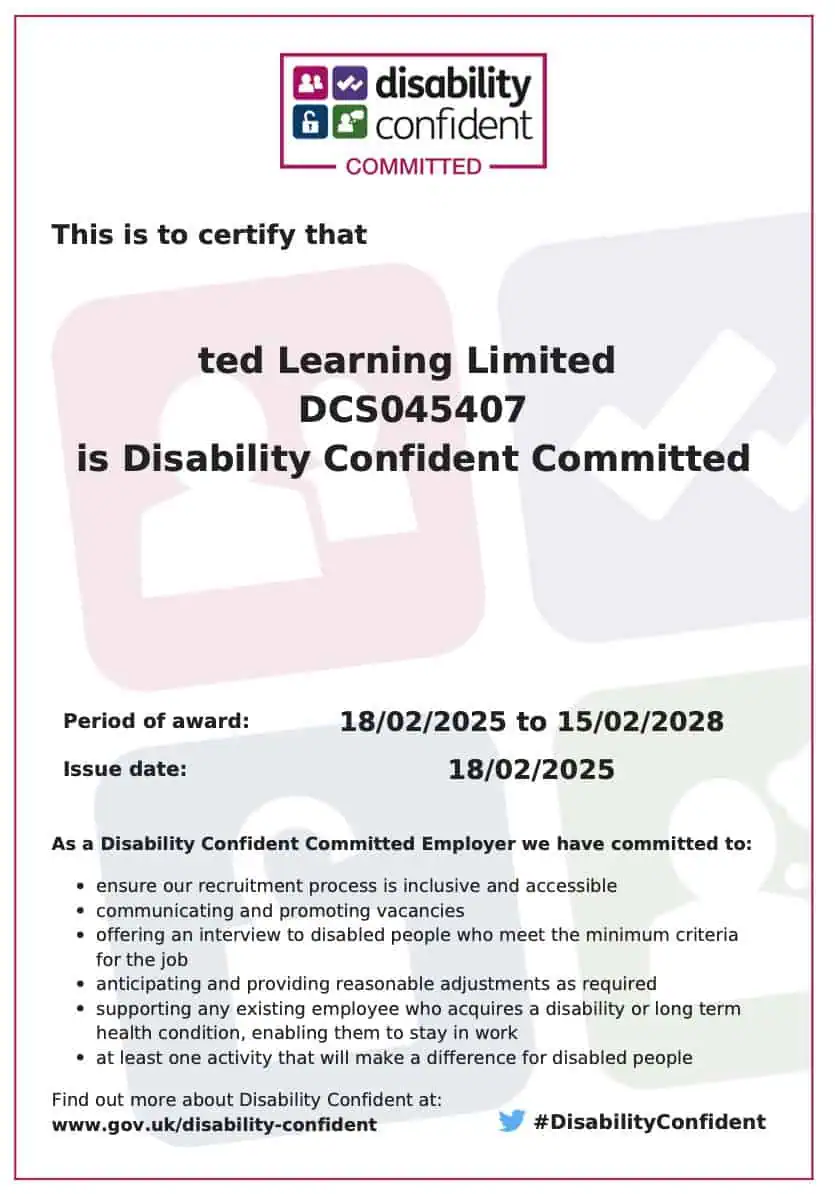
Disability Confident Employer Certificate

Off so soon?

Let's have a quick coffee chat!

Leave your details and we’ll call you back before your kettle boils.

Where should we call you?
When's good for a quick chat?"